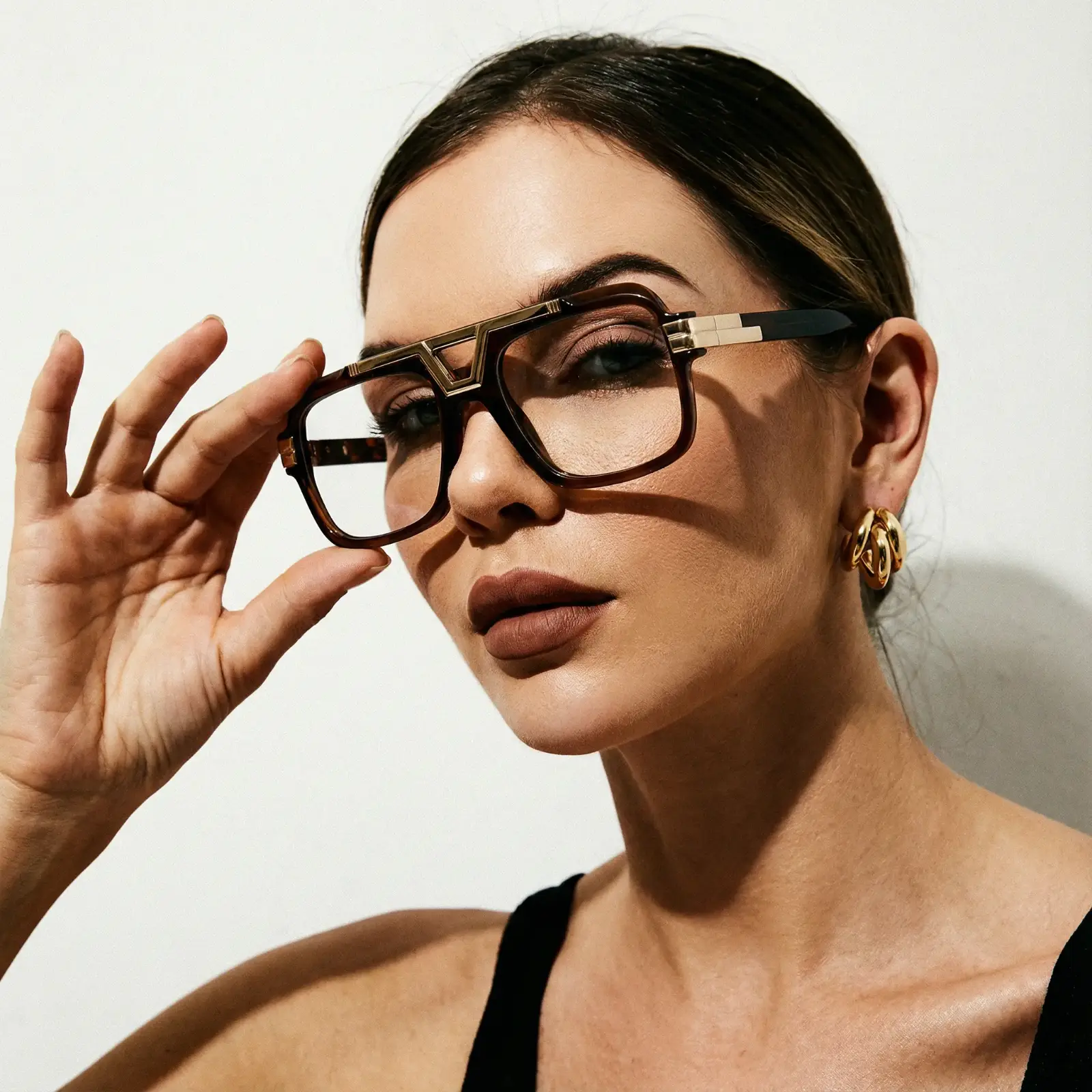

Prescription glasses are an essential part of seeing, feeling, and looking your best each day. The right eyewear makes work, socializing, and even travel easier, more comfortable, and more enjoyable.
Eyewear from the past had limited style and fit options, which could make choosing comfortable and attractive glasses challenging. The problem was particularly noticeable with outdated or old-fashioned frames that weren’t designed for long periods of wear.
Modern prescription glasses are made with advanced design, lens technology, and materials. Frames are balanced, sit comfortably, and offer high-end features to make eyewear both look and feel good.
The right prescription glasses make it easier to get through the day, feel comfortable, and look stylish. Here are some tips on finding great eyewear that you’ll be happy to wear each and every day.
Start With Your Vision Needs and Lifestyle
Your first priority when choosing eyewear is correcting your vision, so think beyond style. Your optometrist provides a prescription, but other practical needs and daily activities are essential.
As an example, individuals spending hours on computers and digital devices need eyewear designed for focused, intermediate use. Driving and reading glasses are different again, as are single vision and multifocal solutions.
Ask yourself:
- Do you spend most of the day in front of screens, or do you need glasses for outdoor use?
- Will you use glasses for distance, close up, or both?
- How many hours a day do you typically wear glasses?
Answering these questions helps you determine prescription glasses for daily activities that support comfort and clarity.
Choose Frames That Support Comfort and Balance
Frames that fit comfortably are more likely to be worn, so choose wisely. The best modern frames are balanced, sit evenly on the face, and don’t create pressure points.
A lot of weight across the nose, at the back of the ears, or on the temples can make glasses less comfortable to wear.
Premium prescription glasses are balanced around the center of the face. Lightweight materials and clever engineering keep glasses securely in place without sliding, pinching, or irritating the face.
Factors for comfort:
- Fit of the bridge over the nose
- Temple length and flexibility
- Frame weight versus lens thickness
Frames that are easy to wear can improve day-to-day eyewear comfort.
Select Lens Technology That Enhances Clarity
Eyewear lens choice is vital to the performance of prescription glasses. Modern lenses provide better clarity, eye protection, and reduce visual fatigue.
Anti-reflective coatings, blue light filtering, and high-index lens options are among the features to consider. Selecting prescription glasses with premium lenses enhances the visual experience.
Lens options to consider:
- Screen-use coatings that reduce glare
- High-index lenses for thicker prescriptions
- UV coatings for eye protection
The right lenses can help your eyes feel better by the end of the day.
Match Frame Shape to Face Structure

Frames that complement your face shape and features improve your appearance. Frame styles and trends come and go, but proportions are always important.
Frames should sit naturally without being too large or too small for your face. Larger faces suit larger frames, and smaller faces need smaller sizes to keep balanced proportions.
Square or rectangular frames help to define features, while rounded frames soften strong, angular features. Medium and round frames suit most face shapes.
The right frame size and shape are crucial for prescription glasses.
Prioritise Materials That Suit Daily Wear
Frame materials affect the strength, feel, and comfort of glasses. High-quality materials improve wear comfort and help frames keep their shape and finish over time.
Premium prescription glasses are made from advanced acetates, titanium, and stainless steel. These are lightweight, strong, and naturally comfortable.
Materials to consider:
- Acetates for softness and colour vibrancy
- Titanium for lightweight strength
- Frames with nickel-free components for sensitive skin
Invest in quality materials for long-term comfort and wear.
Ensure Proper Fit Through Professional Adjustment
Quality frames may still need fine-tuning to achieve the perfect fit. Glasses that are uncomfortable, loose, or don’t track properly won’t be worn.
Adjusting prescription glasses helps frames align with the eyes for visual clarity. Frames with improperly fitted glasses will blur vision and feel uncomfortable to wear.
Fit adjustments include:
- Nose pad adjustment
- Temple alignment
- Frame curvature
Professional adjustments help glasses perform well.
Balance Style With Long-Term Wearability
Style and appearance are important, but function and comfort are more critical. Quality eyewear should look great, but also feel comfortable no matter how often they’re worn.
Premium prescription glasses look natural and go with a range of outfits. They also transition from work to social settings without drawing unnecessary attention.
When considering style and design:
- Opt for colours and metals that match other wardrobe colours
- Avoid too trendy a design
- Consider classic appeal
Style and fashion trends are good, but comfort and wearability are best.
Final Thoughts on Choosing the Right Glasses
Eyewear is an investment, both in your appearance and your day-to-day comfort. Prescription glasses can enhance your vision and feel natural when well-chosen.
Fit, lenses, materials, and appearance all matter when selecting quality eyewear that’s comfortable and works well for everyday use.
Frequently Asked Questions About Prescription Glasses
How often should prescription glasses be replaced?
It is recommended to replace prescription glasses every 1–2 years, or if a change in vision occurs and is recommended by an eye care professional.
Are prescription glasses suitable for all-day wear?
Yes. Prescription glasses are designed for all-day comfort when the lenses are correctly prescribed and the glasses fit well.
Do more expensive frames make for better quality vision?
The frame design does not directly impact vision quality. However, better quality frames are more comfortable, easier to wear, and more durable, making for better all-around eyewear.
Can prescription glasses reduce eyestrain?
Correct prescription lenses, coatings, and frame fit can reduce eyestrain significantly, especially for those who use screens a lot during the day.
How can I best care for my prescription glasses?
Store glasses in a hard case, clean them with a microfiber cloth, and avoid leaving them in extreme heat or on rough surfaces.